
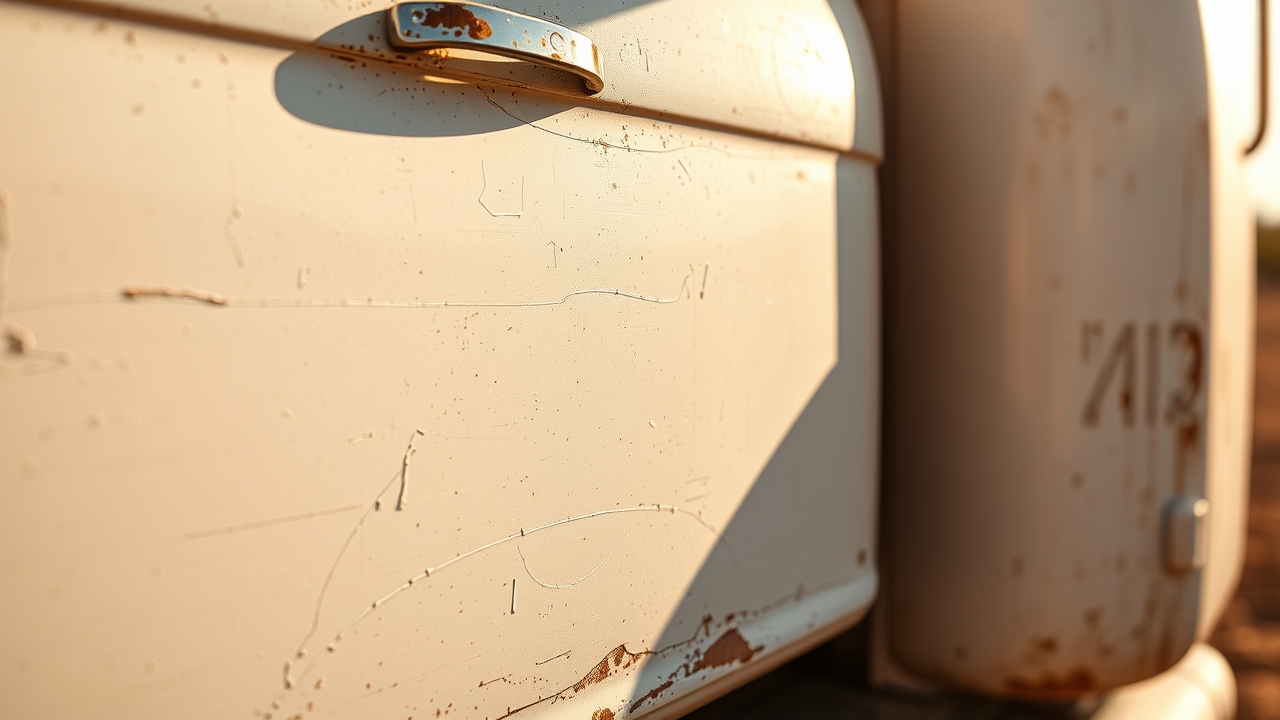
Vinyl fading from sun exposure is one of the most common complaints we hear from fleet managers and contractors. A truck that looked sharp leaving the shop can have cleaning vinyl lettered vehiclesed-out lettering within 2 to 3 years if the wrong film or color was used. Understanding why it happens, and how to slow it, saves money and keeps vehicles looking professional.
Why Vinyl Fades in Sunlight
Vinyl films are pigmented plastics. The color comes from dye or pigment particles suspended in the PVC compound. Ultraviolet radiation from sunlight attacks these pigment molecules through a process called photodegradation. Over time, the molecular structure of the pigment changes, and the color shifts or washes out. The clear topcoat (if the film has one) also degrades, losing gloss and becoming chalky.
Two things degrade at once: the color pigment and the film surface protection. Quality films like Oracal 751 include premium vinyl optionss to slow both processes. Budget calendered films often have minimal UV stabilization, which is why they look visibly faded at 18 months while a premium film on the same vehicle is still bright.
UV Index and Cumulative Exposure
A truck parked outdoors all day in Phoenix gets roughly 3 to 4 times the cumulative UV exposure of the same truck in Minnesota. Fleet managers in Florida and Texas routinely report vinyl fading timelines that are 40 to 50 percent shorter than published film ratings, which are based on moderate-climate test conditions.
Which Colors Fade Fastest
Not all colors fade at the same rate. This is a function of pigment chemistry, not just brand. Here is the general ranking from fastest to slowest fading for standard outdoor vinyl:
| Color Group | Fade Speed | Notes |
|---|---|---|
| Reds (bright/light) | Fastest | Red pigments are inherently UV-sensitive; organic reds especially |
| Yellows and oranges | Fast | High UV absorption; yellow is the least stable common color |
| Light blues and purples | Moderate-fast | Highly variable by pigment formulation |
| Greens | Moderate | More stable than reds; dark greens hold longer than lime |
| Blues (dark, navy) | Moderate-slow | Generally good UV stability; navy is more stable than sky blue |
| Black | Slowest | Carbon black pigment is extremely UV-stable |
| White | Slow | Does not fade but can yellow; titanium dioxide is stable |
This is why a plumber might have crisp white letters on black trucks for 6 years, but an HVAC company with bright red lettering on white vans sees visible fading by year 3. The color choice itself is a durability decision.
Film Grade Makes the Biggest Difference
Film grade is more important than color choice for fade resistance. There are two main categories:
Calendered Vinyl (Economy Grade)
Made by pressing PVC compound through rollers. Internal stresses from the manufacturing process can cause the film to shrink and lift over time. UV stabilizer content is typically lower to keep costs down. Oracal 651 is a quality calendered product with a 6-year outdoor rating, and it performs well with proper installation. Generic calendered films from unbranded sources often have ratings of 2 to 3 years, and real-world fading often starts sooner than that.
Cast Vinyl (Premium Grade)
Made by casting liquid PVC onto a release liner and baking it. No internal stresses. Higher UV stabilizer loading is feasible because cost constraints are looser. Oracal 751, 3M Scotchcal IJ180mC, and Avery Dennison MPI 1005 are cast films. These carry 7 to 9-year outdoor ratings, and in moderate climates they often exceed those timelines. For a fleet vehicle that needs to look good for 6 to 8 years, cast vs calendered vinyl is the right material.
The material cost difference between calendered and cast vinyl on a typical work van lettering set is usually $15 to $40. The difference in longevity is 2 to 4 years of service life.
How Climate and Parking Habits Affect Fading
Beyond UV index, several factors accelerate vinyl fading from sun exposure:
- Heat cycling. Vehicles that heat up during the day and cool at night stress the film repeatedly, causing surface micro-cracks that accelerate pigment exposure to UV.
- South-facing parking. In the Northern Hemisphere, vehicles parked with the driver side facing south receive dramatically more UV. If your fleet parks in assigned spots, orientation matters.
- Tree sap and bird droppings. Mildly acidic and can etch the vinyl surface, removing protective topcoat and accelerating localized fading.
- Roof overhangs and carports. Even partial shade reduces UV exposure by 50 to 70 percent. Fleets with covered parking consistently report longer lettering life.
How to Slow Vinyl Fading from Sun Exposure
You cannot stop UV-driven fading completely, but you can significantly extend the useful life of your vehicle lettering with a few practices:
- Apply a vinyl-compatible protectant. Products like 303 Aerospace Protectant contain UV absorbers that extend color life. Apply every 3 to 4 months.
- Keep the surface clean. Dirt and chemical deposits trap heat against the film. Regular washing removes them and keeps the vinyl cooler.
- Specify cast vinyl on new orders. For red or yellow lettering, especially in the Sun Belt, cast vinyl (Oracal 751 or 3M cast) is worth the small material premium.
- Park in shade when possible. Consistent use of a roof overhang can add 1 to 2 years to lettering life in high-UV states.
For finish selection guidance, see our comparison of matte vs. gloss vinyl finishes, which also covers UV performance differences.
When Fading Is Bad Enough to Replace
The practical threshold for most business owners is when lettering has faded to the point where the phone number or company name is hard to read from 20 feet. That is roughly when contrast has dropped by 50 percent from the original. We have seen Oracal 651 still holding color at 7 years on a Georgia HVAC fleet, and lettering from discount suppliers washed out at 18 months. Film grade and installation quality make the difference.
Frequently Asked Questions
Does white vinyl fade from sun exposure?
White vinyl does not fade in the traditional sense (it cannot get lighter than white), but it can yellow over time. This yellowing is a different degradation process, caused by UV breaking down the titanium dioxide pigment stabilizers in the film. Quality white films like Oracal 651 white resist yellowing well for 5 to 6 years. Budget white films can show visible yellowing within 2 years in high-UV climates.
Is vinyl fading covered by any warranty?
Oracal and 3M both publish film performance data that includes outdoor durability ratings. However, these are performance specifications, not warranties in the traditional sense. Actual service life depends heavily on installation quality, climate, and vehicle use. Most vinyl lettering suppliers, including Hoosier Decal, do not offer warranties against normal UV fading because so many variables are outside the supplier’s control.
Can I print UV-resistant laminate over vinyl to slow fading?
Yes, clear UV laminate is a real and effective option, primarily used in the print vinyl and vehicle wrap industry. It adds a sacrificial UV-absorbing layer over the printed surface. For standard cut vinyl letters (not printed), laminate is not practical since the letters are individual pieces and laminate application would cover the surrounding paint. Cast vinyl without laminate is the correct approach for cut lettering durability.
My vinyl faded unevenly. Why is one letter lighter than the others?
Uneven fading usually has one of two causes: the lighter letter was a different production batch with a slightly different pigment load, or it is in a position on the vehicle that receives more direct sun (such as a letter at the top of a stack of text, closer to the roof, versus letters near the bottom closer to the door frame which may be partially shaded).
How long does vinyl lettering last in Florida or Arizona?
In Florida and Arizona, expect calendered vinyl to show noticeable fading in 2 to 3 years. Cast vinyl in the same conditions typically lasts 4 to 6 years before fading becomes conspicuous. Bright reds and yellows will fade faster than black or white regardless of film grade. For these climates, we specifically recommend cast vinyl and darker color choices where your brand allows.
Does vehicle color affect how fast vinyl fades?
Indirectly, yes. Dark vehicles absorb more heat, raising the vinyl surface temperature. On a 90-degree day in direct sun, vinyl on a black truck may reach 160 to 180 degrees Fahrenheit versus 120 degrees on a white truck. Over years, that adds up in vinyl peeling early wear and film stress.
Next Steps
If your lettering has faded past the point of looking professional, a fresh set is the right move. Hoosier Decal cuts lettering from Oracal and 3M exterior-rated films in Indiana and ships to all 50 states. Visit create vinyl lettering to spec out your replacement set, or upload your artwork for a custom logo cut. We will make sure you get the right film grade for your climate and color choice.
