
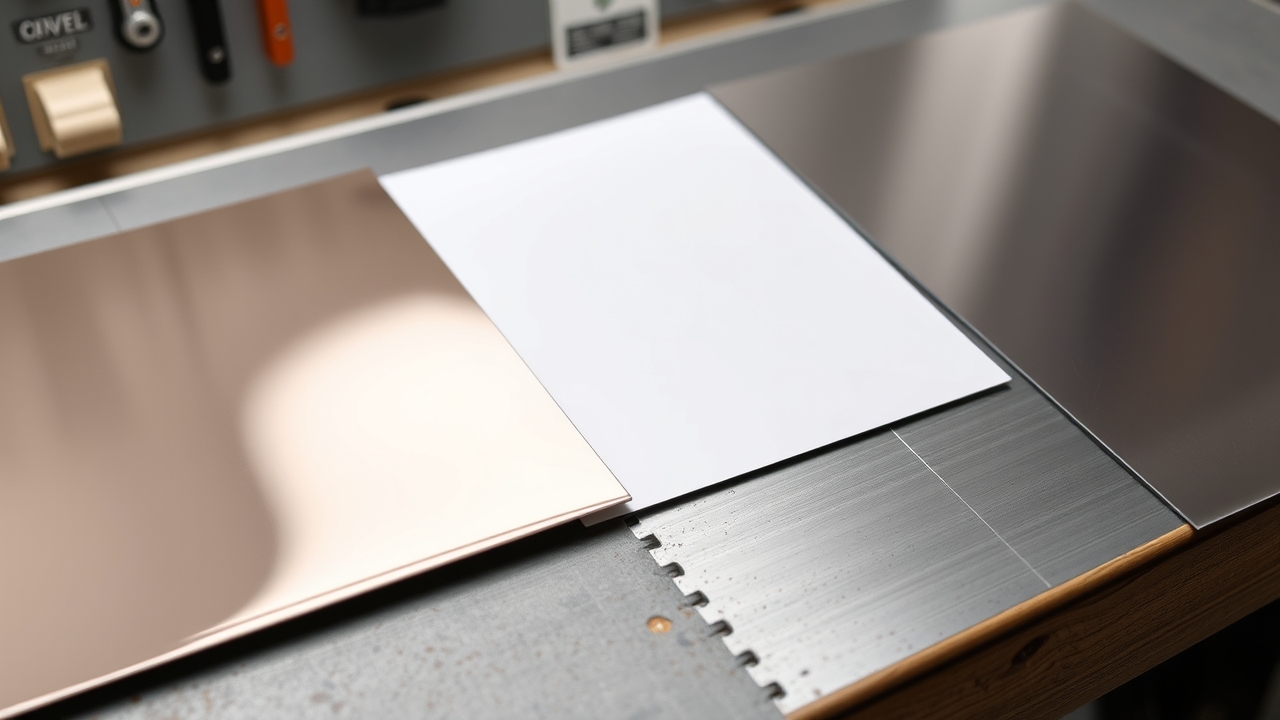
Choosing between gloss, matte, and satin vinyl finish trips up a lot of first-time buyers. All three look different in photos than they do on an actual truck door in afternoon sun, and the wrong choice for your application shows. This vinyl finish picker walks through exactly when to use each option, what the real tradeoffs are, and how to match the finish to your vehicle paint and brand.
Vinyl Finish Picker: Gloss Finish and When to Use It
Gloss vinyl is the industry standard for a simple reason: it reads clearly from a distance. A high-gloss white letter on a dark truck cab is visible at 100 feet in overcast vs calendered vinyl daylight. The surface is smooth and slightly standard vs premium vinyl, which produces sharp contrast against most painted backgrounds. No other finish type matches gloss for legibility in standard commercial lettering applications.
Where Gloss Excels
- Compliance lettering: USDOT numbers, MC numbers, HAZMAT markings. Regulatory bodies care about legibility, and gloss delivers it.
- Dark-painted vehicles: White gloss on a black, navy, or dark green truck pops with maximum contrast.
- High-mileage fleets: Gloss is the easiest finish to clean. A damp cloth removes road grime. Truckers who hand-wash their cabs appreciate the difference.
- Storefronts and glass: Gloss reads well on window glass and is more durable against cleaning chemicals than matte.
Where Gloss Underperforms
On light-popular vinyl colorsed or white vehicles, high-gloss white lettering disappears. That’s when you switch to a contrasting color rather than a different finish. Gloss also shows fingerprints during application and on windows. On textured or matte-painted surfaces, a gloss finish can look out of place, like someone stuck a shiny label on a brushed metal appliance.
Matte Finish: The Premium Look Without the Shine
Matte vinyl has a flat, non-reflective surface that photographs well and carries a visual sophistication that gloss doesn’t. Brands that want to signal quality over economy often prefer matte finishes on their vehicles and storefronts. The difference is visible at normal viewing distances once you know what to look for.
Where Matte Works Best
- Vehicles with matte fleet paint or matte wrap finishes. Matching finish level keeps the branding cohesive.
- Upscale trades and service businesses: HVAC, electrical, and plumbing contractors with higher-end clientele find matte lettering reads as more polished than gloss on their white vans.
- Interior signage: Retail, office, and hospitality signage where overhead lighting creates glare. Matte eliminates reflection hotspots.
- Brand lettering on vehicles where the font and design do the visual work, not shine and reflectance.
Matte Tradeoffs
Matte vinyl is harder to clean. The textured surface that diffuses light also traps road dust, diesel exhaust particulate, and water-based grime. On a white truck that gets washed weekly, the difference may be minimal. On a truck that runs through construction zones and gets washed monthly, matte lettering will look dirty faster than gloss. Matte also shows scuffs more visibly: a small contact mark from a loading dock catches more light on a matte surface than on gloss.
Durability is comparable between gloss and matte in the same film series. Oracal 651 vs 751 651 in matte carries the same 6-year outdoor rating as gloss. Finish choice does not significantly affect longevity for films in the same product line. For a deeper breakdown of how finish affects real-world performance, our matte vs gloss vinyl finish guide covers UV testing data and field performance notes.
Satin Finish: The Middle Ground That Earns Its Keep
Satin vinyl has a low-level sheen that sits between the reflectiveness of gloss and the flatness of matte. It reads as slightly upscale without the cleanability concern of a full matte finish. Satin has grown in popularity with contractors and fleet managers who find gloss too casual and matte too fussy to maintain.
When Satin is the Right Answer
Satin earns its spot in a few specific situations. First, on silver or metallic vinyl lettering-painted vehicles, satin vinyl blends better with the base material than either full gloss or full matte. Second, for body-color lettering (where the vinyl is the same color as the truck paint, creating a tone-on-tone effect), satin provides a finish differential that makes the letters visible without using a contrasting color. Third, for retail environments where both glare reduction and cleanability matter, satin is a practical compromise.
What Satin Looks Like in Practice
A white satin letter on a dark navy truck door looks similar to gloss from 30 feet. Up close, the surface has a softer, silk-like quality. The shine level is roughly 25-40 gloss units (GU) versus 75-85 GU for high gloss. At arm’s length, most clients will notice a finish difference without necessarily knowing what to call it. Satin carries a premium-quality signal without the polarizing reaction some people have to full matte.
Side-by-Side Comparison
| Factor | Gloss | Matte | Satin |
|---|---|---|---|
| Reflectance | High (75-85 GU) | Low (<10 GU) | Medium (25-40 GU) |
| Readability at distance | Excellent | Good | Very good |
| Cleanability | Easiest | Hardest | Moderate |
| Photography performance | Good (some glare) | Excellent | Very good |
| Premium brand signal | Standard | High | High |
| Best on dark vehicles | Yes | Yes | Yes |
| Best on light/white vehicles | Use contrasting color | Use contrasting color | Use contrasting color |
| Durability (Oracal 651) | 6 years | 6 years | 6 years |
Vinyl Finish Picker: Which Finish for Your Situation
Still not sure? Run through this list. Most people land on the right finish in under a minute.
- USDOT and compliance lettering: Gloss. Always. Legibility first.
- Company name on a dark work truck: Gloss or satin. Both work; satin if you want a slight premium look.
- Company name on a white van: Use a contrasting color (black, red, dark blue) rather than changing finish. Finish won’t solve a low-contrast application.
- Retail storefront window: Gloss for outdoor-facing windows, matte for indoor wall signage under overhead lighting.
- Fleet of 10+ vehicles that need consistent reorders: Gloss. Easier to match across production runs and easiest for drivers to maintain.
- Premium service business (medical, high-end residential): Matte or satin. Signals quality without the “budget sticker” read of some gloss applications.
- Metallic or silver-painted vehicle: Satin matches the base material better than gloss or matte.
For storefronts, sizing also plays a role in how finish reads at viewing distance. Our storefront window letter sizing guide covers how to balance letter size, finish, and contrast for effective window signage.
Frequently Asked Questions
Which vinyl finish lasts the longest outdoors?
Durability is determined by the film grade, not the finish. Oracal 651 in gloss, matte, and satin all carry the same 6-year outdoor rating. 3M Scotchcal cast films in all finishes exceed 10 years. Finish choice does not significantly affect outdoor longevity within the same product series.
Does matte vinyl cost more than gloss?
Typically yes, by a small amount. Matte and satin finishes sometimes carry a slight material cost premium over gloss in the same product line. At Hoosier Decal, the difference is minor and does not significantly affect your order total for standard lettering sets.
Can I mix gloss and matte on the same vehicle?
Yes. A common approach is gloss white for USDOT compliance numbers and matte black for company name and contact lettering. Mixing finishes intentionally for visual effect works well. Just specify the finish for each element in your order notes.
Will matte vinyl lettering look dirty faster than gloss?
On vehicles in dusty or diesel-heavy environments, yes. Matte surfaces trap particulate more readily than smooth gloss. Regular washing mitigates this, but matte requires more consistent cleaning effort than gloss to maintain appearance.
Is satin finish available in all colors?
Most standard vinyl colors are available in satin finish, though the selection is somewhat smaller than the full gloss color range. White, black, and major fleet colors (red, blue, gold) are consistently available in satin. Contact us if you need a specific color in satin finish and we’ll confirm availability.
Can I see samples before ordering?
Yes. We offer sample packs with actual vinyl swatches in gloss, matte, and satin finishes. Seeing and touching the material in your environment is the most reliable way to make a finish decision. Contact our Indiana team to request samples.
Next Steps
Made your finish decision? Use our vinyl lettering builder to configure your order with the finish that fits your application, or upload your artwork and specify your finish preference in the order notes. Hoosier Decal has been cutting vinyl since 2003 and ships to all 50 states. Get it right the first time.
