
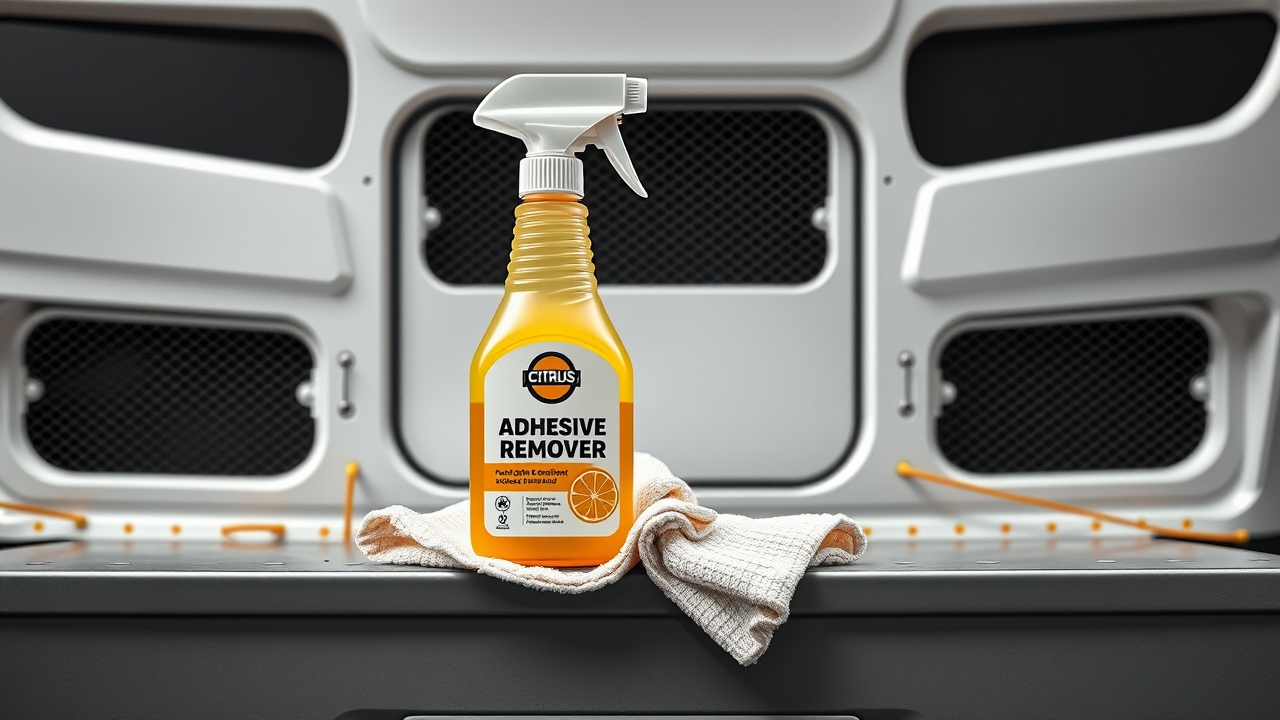
Getting vinyl off is one thing. Getting the adhesive residue off cleanly is another. The wrong adhesive remover can strip wax, cloud polycarbonate windows, or leave an oily film that prevents new vinyl from sticking. The right product makes the job fast and leaves the surface ready for new decals or a fresh coat of wax.
Top Adhesive Remover Products for Vinyl Residue
These are the products actually used in vinyl shops across the country. Each has a different strength profile and works better on certain surfaces.
| Product | Type | Best For | Paint Safe |
|---|---|---|---|
| Rapid Remover (Rapid Tac) | Spray concentrate | Vehicle paint, signs, trucks | Yes |
| 3M Adhesive Remover | Aerosol | Automotive clearcoat, glass | Yes |
| Goo Gone Automotive | Gel/spray | Light residue, painted metal | Yes (rinse well) |
| UN-DU Original | Liquid | Paper labels, polycarbonate | Yes |
| Citristrip | Gel | Heavy buildup, fiberglass | Test first |
| Isopropyl Alcohol 91% | Solvent | Light fresh residue, all surfaces | Yes |
Rapid Remover by Rapid Tac
This is the go-to in most professional vinyl application shops. Rapid Remover comes as a concentrate you dilute with water (typically 5:1 for light residue, straight for heavy buildup). Spray it on, let it dwell 30 to 60 seconds, then wipe with a clean microfiber. It breaks down acrylic adhesive quickly without affecting automotive clearcoat or painted metal. A 32-oz bottle lasts most shops through dozens of removal jobs.
3M Adhesive Remover
3M’s aerosol version is a petroleum-based solvent that cuts through old adhesive efficiently. It works on the same surfaces as Rapid Remover but leaves an oily residue that needs a follow-up IPA wipe. Good for occasional use; the aerosol format is less economical than concentrate for high-volume work. Safe on clearcoat when used as directed.
Goo Gone Automotive
Goo Gone’s automotive formulation (labeled differently from the original household version) is widely available at auto parts stores. It’s citrus-based and gentler than petroleum solvents. Works well on light adhesive left by recently removed vinyl. For adhesive that’s been baking in the sun for 5 years, you may need something stronger. Rinse with water after use to remove the oily carrier.
Isopropyl Alcohol (91 Percent or Higher)
Not technically an “adhesive remover,” but IPA dissolves fresh acrylic adhesive quickly and leaves absolutely no residue. It’s the safest option on any surface including gelcoat, polycarbonate windows, and painted surfaces. Limitations: it evaporates fast, which means you’re working in small sections. For adhesive that’s been on a vehicle for years, IPA alone may not be strong enough.
Adhesive Remover Compatibility by Surface
Not every product is safe on every surface. Using a petroleum-based remover on a polycarbonate window can cloud it permanently. Here’s a quick reference.
Automotive Clearcoat Paint
Rapid Remover, 3M Adhesive Remover, Goo Gone Automotive, and IPA are all safe when used correctly and not left to soak for extended periods. Citristrip-type heavy gels should be avoided on clearcoat without testing; they’re designed for paint stripping.
Polycarbonate and Acrylic Windows
Avoid petroleum-based solvents on polycarbonate (common in rear windows and side windows on work trucks). Use IPA or UN-DU instead. Test any product in an inconspicuous corner before full application. Glass windows (not polycarbonate) handle most adhesive removers without issue.
Gelcoat Fiberglass (Boats)
Citrus-based products like Goo Gone Automotive work well on gelcoat without staining. IPA is safe. Avoid prolonged contact with petroleum solvents, which can dull gelcoat over time. After any adhesive removal on gelcoat, rinse with water and wax the area once clean.
Bare Metal and Aluminum
Most adhesive removers are safe on bare metal. The main concern is residue: petroleum-based products can interfere with paint adhesion if not cleaned thoroughly. Always follow with an IPA wipe and let the surface dry completely before painting or applying new vinyl.
Vinyl Itself
If you’re trying to clean adhesive off existing vinyl (from a label placed on top of your decal, for example), use IPA or Goo Gone. Avoid petroleum solvents, which can soften and warp some vinyl films.
How to Use Adhesive Remover: Step by Step
1. Remove the Vinyl First
Adhesive removers work on the sticky residue left after vinyl comes off. They’re not designed to help you remove the vinyl itself. Use a heat gun for that step. See our full guide on heat gun vinyl removal before starting on adhesive cleanup.
2. Apply Product to the Residue Area
Spray or dab the product onto the adhesive ghost. For spray products, let it dwell 30 to 60 seconds. For gel products, up to 2 minutes. The dwell time is doing the work; don’t rush to the wipe step.
3. Wipe with a Clean Microfiber
Use a folded microfiber cloth and wipe with moderate pressure in a circular motion. Don’t use paper towels; they can leave lint in the adhesive and scratch clearcoat. Check the cloth: if it’s pulling up gray or tan residue, it’s working. Fold to a fresh section of cloth as it fills.
4. Repeat if Needed
Old adhesive (5-plus years on a vehicle in direct sun) may need two or three applications. This is normal. Each pass removes another layer until the surface feels clean and smooth, with no tacky patches.
5. Follow Up with IPA
After any petroleum-based or citrus-based remover, wipe the area with 91 percent IPA on a clean microfiber to remove product residue. This step is especially important before applying new vinyl. Adhesive residue from the cleaner itself will prevent your new decal from bonding properly.
DIY Alternatives That Actually Work
If you don’t have a commercial product on hand, a few household options work in a pinch.
- Coconut oil or peanut butter: The oils break down acrylic adhesive slowly but effectively. Apply, let sit 5 to 10 minutes, wipe. Always follow with dish soap and water, then IPA, to remove the oil carrier.
- WD-40: Works similarly to Goo Gone for light residue. Petroleum-based, so rinse with IPA afterward.
- Nail polish remover (acetone): Effective on glass and metal but can damage clearcoat and melt some plastics. Use only as a last resort on paint surfaces and test first.
Surface Prep After Adhesive Removal
After the adhesive is gone and you’ve done your IPA wipe, inspect the area in direct sunlight or with a flashlight at a low angle. Any remaining residue catches the light differently than clean paint.
If the area shows fading or color difference from UV protection (the paint under the old vinyl is often more vibrant), a light machine polish can even the tone. For more significant paint issues, see our article on repainting after vinyl removal.
If you’re applying new vinyl immediately, make sure the surface is at ambient temperature, completely dry, and free of all residue. Run a clean IPA wipe as the final step before peeling the backing from your new decal.
Frequently Asked Questions
What’s the best adhesive remover for vinyl decals on trucks?
Rapid Remover by Rapid Tac is the professional standard for truck vinyl. It’s paint-safe, effective on old adhesive, and affordable in concentrate form. For a single-use option from an auto parts store, 3M Adhesive Remover aerosol or Goo Gone Automotive are reliable alternatives.
Will adhesive remover damage my truck’s paint or clearcoat?
Products designed for automotive use (Rapid Remover, 3M, Goo Gone Automotive) are formulated to be paint-safe when used as directed. The risk comes from using the wrong product (household solvents, acetone, lacquer thinner) or leaving any product on the surface too long. Always test in a small area, follow dwell times, and rinse with IPA afterward.
How do I remove adhesive residue from a glass window?
Glass is the forgiving surface. IPA works well on fresh residue. For old adhesive on glass, a single-edge razor blade held at a shallow angle removes the bulk quickly. Follow with 3M Adhesive Remover or IPA and a clean microfiber. Avoid using razors on polycarbonate, which scratches easily.
Can I use Goo Gone on a vinyl wrap?
Goo Gone Automotive (citrus-based) is generally safe on vinyl wraps for spot treatment. Avoid soaking the area or using petroleum-based solvents, which can soften and cloud some vinyl film surfaces. Always test in a hidden area first. Do not use on matte wraps, which are more sensitive to cleaning products.
How long should I let adhesive remover sit before wiping?
Most spray products need 30 to 60 seconds of dwell time. Gel products can go 1 to 2 minutes. Longer dwell helps on old, hardened adhesive. Don’t let it dry completely on the surface before wiping. If it starts to dry, reapply and wipe immediately.
Do I need to wax the area after removing adhesive from painted metal?
Not immediately if you’re applying new vinyl. But if you’re leaving the surface bare after removal, yes: wax protects paint from UV and oxidation. You’ll also likely notice a color difference between the de-stickered area (protected paint) and surrounding faded paint. Light machine polishing and waxing across the whole panel evens the appearance.
Next Steps
Surface clean and prepped? Time for new lettering. Hoosier Decal has been producing USA-made vinyl graphics from Indiana since 2003. Build your replacement decals using our vinyl lettering tool, or upload existing artwork at our artwork upload page for custom cuts. Orders ship in 3 to 5 business days with bulk discounts available for fleets.
