
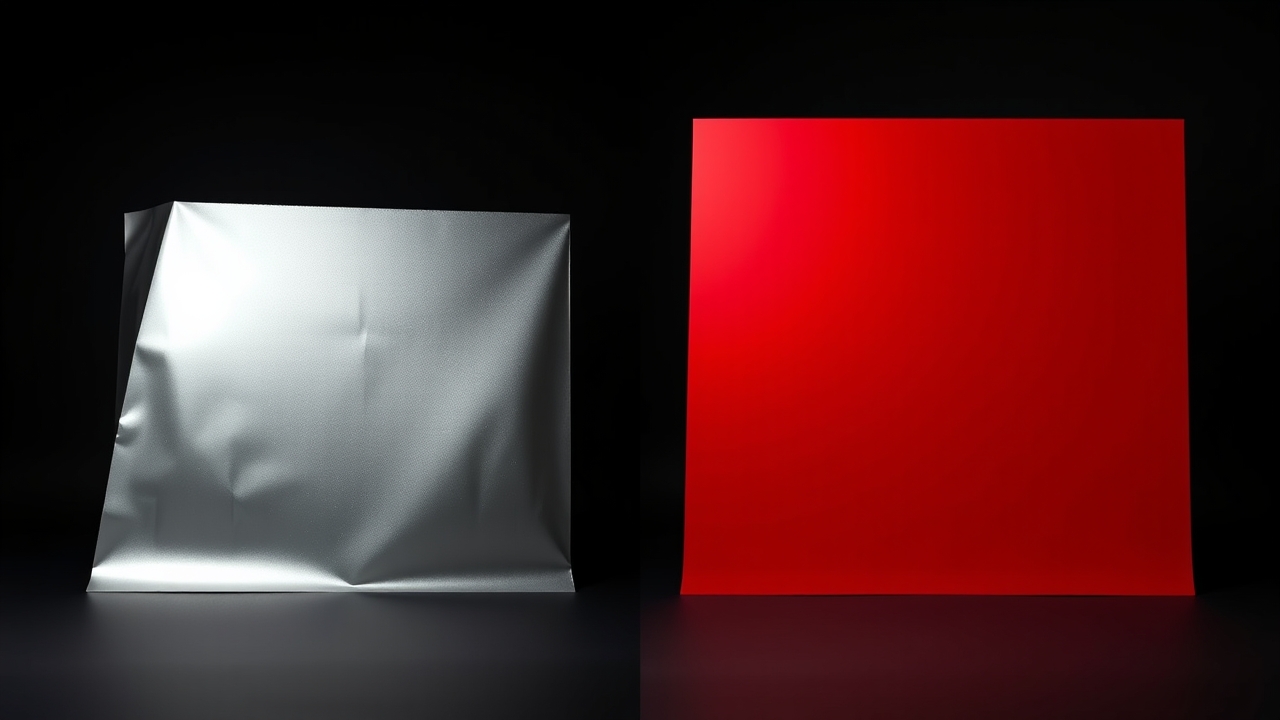
metallic vinyl lettering flake vinyl is dramatic at distance, eye-catching in person, and almost impossible to photograph well. Solid color is the workhorse — predictable, color-matchable, and 80% of fleet jobs. Here’s the difference between them, when each one wins, and what each is actually made of.
Quick Comparison
| Solid color | Metallic flake | Chrome / mirror | |
|---|---|---|---|
| Visual effect | Flat / consistent | Sparkle / depth | Mirror reflection |
| Outdoor life (premium cast) | 6–8 years | 5–6 years | 2–3 years |
| Color match across batches | Excellent | Good | Variable |
| Photographs well | Yes | Often loses sparkle | Reflects everything |
| Color choices | 200+ | 15–30 | 5–10 |
| Cost | $ baseline | +25–50% | +50–100% |
| Best for | Most jobs | Sports cars, boats, race teams | Accents only |
Solid Color Vinyl
Solid color is pigmented through-and-through — the color is the vinyl, not a layer on top of clear. Most logos, fleet markings, and regulatory decals are solid color.
Strengths:
- 200+ color options across major manufacturers (Oracal 651, 951, Avery MPI series)
- Excellent color matching across orders and years — reorder in 5 years and the color is identical
- Longest outdoor lifespan of any vinyl category
- Lowest cost
- Photographs predictably for marketing materials
- Pantone matching available on premium cast for brand-spec colors
Use it for: almost everything — truck lettering, USDOT, boat numbers, mailboxes, storefront windows, retail signage. The default vinyl for any commercial application.
Metallic Flake Vinyl
Metallic flake vinyl has actual metallic particles (aluminum, copper, or pearlescent mica) embedded in the vinyl cast vs calendered vinyl. Light bouncing off the flakes creates the sparkle effect.
Strengths:
- Striking visual effect — particularly under direct sun
- Adds dimensional depth to large-format graphics
- Premium feel — matches automotive metallic paint
- Good for boats, race cars, motorcycle tank graphics
Weaknesses:
- Slightly shorter outdoor life — 5–6 years vs 6–8 for solid
- Color matching across batches is harder — reorders may show batch variation
- Loses sparkle in photos shot at most angles — e-commerce photography is harder
- Limited color range — usually 15–30 metallic options vs 200+ solid
- Higher cost (25–50% premium)
- Doesn’t satisfy USDOT contrast requirements as cleanly — metallics can fail “sharp contrast” rule
- Edge ghosting on dark backgrounds
Use it for: sports car graphics, boat 3M Scotchcal vs Oracal names (not registration numbers), race team decals, custom motorcycle work, boutique signage where the sparkle is part of the brand. Avoid for regulatory or compliance decals.
Chrome and Mirror Vinyl
Chrome vinyl is a metallized polyester layer (vapor-deposited aluminum) under a clear topcoat. Mirror finish.
- Striking but limited use — mostly accent only
- Outdoor life is poor (2–3 years) — the metalized layer oxidizes
- Salt water destroys it in months
- Best as small accent letters or trim, not large fields
- Premium pricing (50–100% over solid)
Which to Choose
- Logos for brand recognition (anywhere) — solid color, Pantone-matched for major brands
- USDOT, license, regulatory text — solid color (metallics can fail contrast tests)
- Boat registration numbers — solid color (most state DNRs interpret metallics as not “contrasting”)
- Boat name / branding (not registration) — metallic OK
- Sports car / motorcycle graphics — metallic flake is on-trend
- Race team decals — metallic standard
- Mailbox lettering — solid color (clean look, easy to read)
- School / sports team helmet decals — solid for primary, metallic for accent
- Storefront window — solid (color brightness through glass)
- Chrome accents — only as small accents on otherwise solid designs
FAQ
Will metallic flake fade?
Yes — the pigment behind the metallic particles fades like any vinyl. The flakes themselves don’t change but the underlying color shifts. Plan on 5–6 years vs 6–8 for solid.
Can I get metallic in any custom color?
Limited — metallic stock colors are usually 15–30 per manufacturer. Custom-mix metallics for digital print are possible but expensive.
Do USDOT inspectors accept metallic decals?
Inconsistently — the rule says “sharp contrast in daylight” and metallics often look gray or muted in daylight. Stick to solid color for compliance text.
Why does metallic look so different in person vs photos?
The flake effect depends on viewing angle. Cameras photograph from a single angle, losing the dynamic shimmer that makes metallic interesting in person.
Can I mix solid and metallic on the same design?
Yes — solid for body / readable text, metallic for accent stripes or logo highlights. Common on race teams.
